It’s tempting to jump straight into design. You’ve got the vision, the excitement, the budget so why not start making things?
Because the most expensive mistakes in a project don’t happen during design or development. They actually happen before that when assumptions go unchallenged, goals stay vague, and everyone thinks they’re aligned until they’re not.
The Cost of Skipping
We’ve seen it happen. A team dives into design based on a brief and a few conversations. Weeks later, the client sees the first round of work and says, “That’s not what I meant.” Not because anyone did a bad job, but because no one took the time to make sure everyone was building toward the same thing.
Rework is expensive and not just in dollars but in trust, momentum, and morale. The planning phase exists to prevent that.
What Planning Looks Like
Planning isn’t just paperwork. It’s a conversation: structured, intentional, and collaborative.
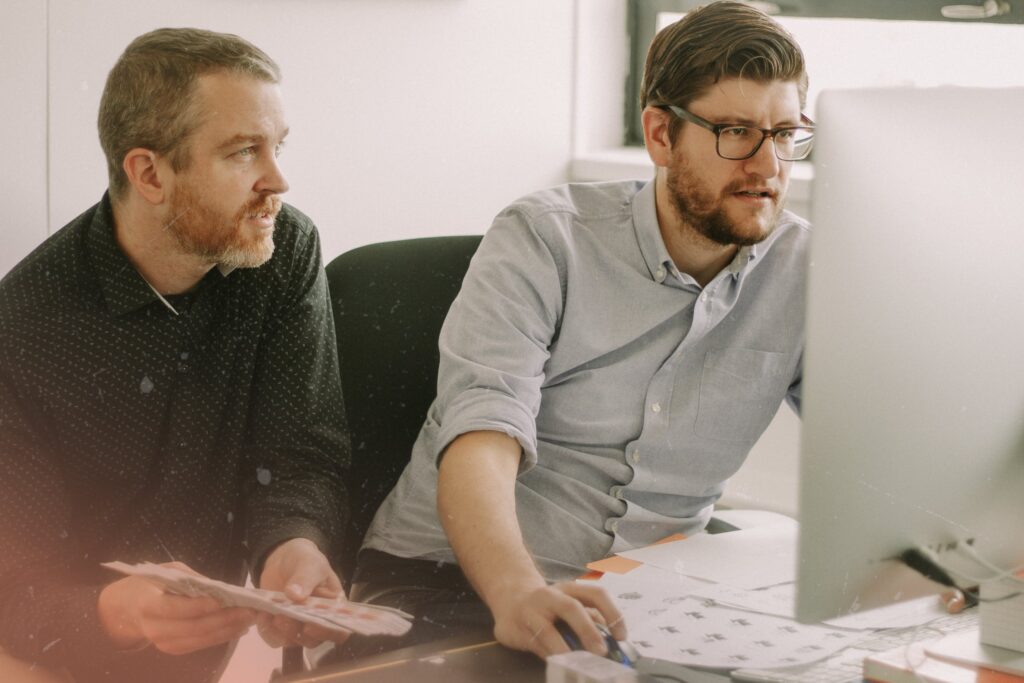
We sit down with your key stakeholders and work through the questions that matter: What are we building? Who is it for? What does success look like? What are the constraints? What’s been tried before?
We’re not just gathering requirements. We’re building a shared understanding. By the end, everyone on your team and ours should be able to describe the project the same way.
A Plan You Can Hold Us To
The planning phase produces a Project Plan which is a document that captures the agreed-upon direction, the solutions we’re proposing, a project schedule, and a budget for the phases ahead..
You review it, ask questions, push back, and approve it before we move forward. Nothing gets designed until you’re confident in the direction. It’s not a formality, it’s a commitment.
Think of it as a contract between your vision and our execution. It protects you from scope surprises, and it gives our team the clarity they need to do their best work.
Why Clients Love It
Most clients come to us ready to go. They want to see designs, not documents. We get it — the planning phase can feel like a speed bump when you’re eager to build.
But every client who’s gone through it says the same thing afterward: it was worth it.
Not because the document itself is magic, but because the conversations that produce it are. You walk away with a clearer picture of your own project than you had going in. Priorities get sharpened. Assumptions get tested. And when design finally starts, it starts with confidence, not guesswork.
The Ripple Effect
A good plan doesn’t just improve the planning phase. It improves everything that comes after.
Designers make better decisions because they understand the “why” behind the project. Developers build with fewer questions because the scope is clear. Feedback cycles are shorter because everyone agreed on the direction upfront. And launch day feels like a celebration, not a relief.
One phase, done well, quietly elevates every phase that follows.
The Bottom Line
You can always design faster by skipping the plan. But you can’t design better.
The planning phase is where we earn the right to build something great. It’s where your investment gets protected, your goals get clarified, and your project gets the foundation it deserves.
We’d rather spend a few weeks getting aligned than a few months getting it wrong.